
Dive into the world of Consumer Product Safety Regulations – where rules and standards ensure your products are safe and sound, protecting consumers everywhere. Get ready for an informative journey through the ins and outs of product safety!
Overview of Consumer Product Safety Regulations
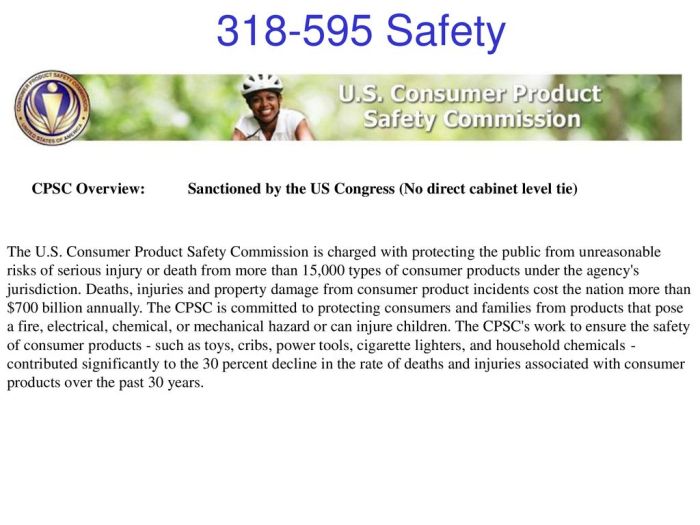
Consumer product safety regulations are put in place to ensure that products available to consumers are safe to use and do not pose any risks to their health or well-being. These regulations are essential for protecting consumers from potential harm caused by faulty or hazardous products.
Examples of Consumer Products Covered by Regulations
- Toys and children’s products
Importance of Compliance for Manufacturers
Manufacturers must comply with consumer product safety regulations to ensure that the products they produce meet specific safety standards. Failure to comply can result in legal consequences, financial penalties, and damage to the company’s reputation. By adhering to these regulations, manufacturers demonstrate their commitment to the safety and well-being of their customers.
Key Regulatory Agencies
Consumer product safety regulations are enforced by several key regulatory agencies that play a crucial role in ensuring the safety of products in the market. These agencies are responsible for monitoring, enforcing, and regulating consumer products to protect the public from potential hazards and dangers.
Consumer Product Safety Commission (CPSC)
The Consumer Product Safety Commission (CPSC) is a federal agency responsible for protecting the public against unreasonable risks of injury or death associated with consumer products. The CPSC sets and enforces safety standards for various products, conducts research on potential hazards, and issues recalls for products that pose a risk to consumers.
Federal Trade Commission (FTC)
The Federal Trade Commission (FTC) plays a key role in enforcing consumer protection laws, including those related to product safety. The FTC focuses on preventing deceptive and unfair practices in the marketplace, ensuring that products are accurately labeled and marketed to consumers. They also investigate and take action against companies that violate consumer protection laws.
Food and Drug Administration (FDA)
The Food and Drug Administration (FDA) is responsible for regulating the safety and labeling of food, drugs, cosmetics, and other consumer products. The FDA ensures that products are safe for consumption and use, and that they are properly labeled with ingredients and warnings. They also monitor and investigate reports of adverse events related to consumer products.
National Highway Traffic Safety Administration (NHTSA)
The National Highway Traffic Safety Administration (NHTSA) is responsible for setting safety standards for vehicles and vehicle equipment to reduce the risk of accidents and injuries on the road. The NHTSA conducts research, issues safety recalls, and enforces regulations to ensure the safety of motor vehicles and related products.
Environmental Protection Agency (EPA)
The Environmental Protection Agency (EPA) regulates the safety and environmental impact of consumer products, including pesticides, chemicals, and other potentially harmful substances. The EPA sets standards for the use and disposal of these products to protect human health and the environment.
Compliance Requirements
To ensure consumer product safety regulations are met, manufacturers must follow specific compliance requirements. This includes adhering to testing and certification processes to ensure products meet safety standards. Failure to comply with these regulations can result in serious consequences for manufacturers.
Testing and Certification Processes
Manufacturers are required to conduct testing on their products to ensure they meet safety standards set by regulatory agencies. This may involve testing for factors such as durability, flammability, and chemical content. Once testing is complete, products must receive certification from approved third-party organizations to validate their compliance with safety regulations.
- Products must undergo rigorous testing to check for safety hazards.
- Testing may include assessments for choking hazards, sharp edges, and toxic substances.
- After passing testing, products must receive certification from recognized organizations.
Non-compliance with testing and certification processes can result in significant fines and legal penalties for manufacturers.
Consequences of Non-Compliance
Failure to comply with consumer product safety regulations can have serious implications for manufacturers. Consequences may include:
- Recalls of products from the market.
- Fines imposed by regulatory agencies.
- Lawsuits from consumers affected by unsafe products.
- Damage to the brand reputation and loss of consumer trust.
Consumer Information
Consumer information plays a crucial role in ensuring product safety by empowering consumers with knowledge about potential risks associated with certain products. It is essential for consumers to be informed about the products they purchase to make educated decisions and protect themselves from harm.
Importance of Consumer Information
Consumer information is provided through various channels to educate the public about potential risks associated with products. This information helps consumers make informed choices and understand how to use products safely to prevent accidents or injuries.
- Labeling: Labels on products provide important information such as ingredients, usage instructions, and safety warnings. Consumers can refer to labels to understand how to use a product correctly and avoid any potential hazards.
- Warnings: Warning labels alert consumers to specific risks associated with a product. These warnings serve as a cautionary measure to prevent accidents and injuries. It is important for consumers to read and follow warning labels to ensure their safety.
- Instructions: Product instructions Artikel how to use a product safely and effectively. By following the instructions provided, consumers can minimize risks and prevent misuse that could lead to accidents or harm.
Outcome Summary
As we wrap up our exploration of Consumer Product Safety Regulations, remember the importance of following these rules to keep products safe for everyone. Stay informed, stay safe!
FAQ Insights
What are the consequences of not complying with safety regulations?
Non-compliance can lead to fines, product recalls, or even legal action against manufacturers.
How do regulatory agencies monitor consumer products?
Agencies conduct inspections, review documentation, and investigate complaints to ensure compliance.
Why is consumer information crucial for product safety?
Consumer information helps educate the public about potential risks and usage guidelines for products.


